

How to Pack Boxes for Moving: A Step-by-Step Guide
Moving to a new home is an exciting but sometimes overwhelming experience.
One of the most important tasks is packing your belongings safely and efficiently.
When done properly, packing can save you time, reduce the risk of damage, and help ensure that everything arrives at your new home in one piece.
Whether you’re moving locally or long-distance, learning how to pack boxes for moving is essential.
In this guide, we’ll walk you through the best way to pack moving boxes and share tips for storing them during your relocation.
1. Gather the Right Moving Supplies
Before you start packing moving boxes, make sure you have the proper materials.
You can purchase sturdy boxes from your local moving supply store or ask for free boxes from places like grocery stores. Be sure to use boxes that are clean and durable to prevent any mishaps during the move.
Here’s a list of essential packing supplies:
Sturdy moving boxes in various sizes
Packing tape and tape dispensers
Packing paper, bubble wrap, or packing peanuts for cushioning
Permanent markers for labeling boxes
Reusable plastic bags for small items like screws and cords
Wardrobe boxes for clothing
Moving blankets or pads for extra protection
2. Sort and Organize Before You Pack
Packing is much easier when you sort your items first. Go through each room and divide your belongings into categories:
Essentials (things you’ll need immediately, such as toiletries or clothes)
Heavy items (like books, appliances, and kitchenware)
Light items (clothing, linens, and decor)
This step will also allow you to declutter and eliminate anything you no longer need.
You’ll find that moving is much easier when you pack only the essentials.
3. How to Pack Moving Boxes: Weight Matters
When it comes to packing boxes for moving, weight distribution is key.
The best way to pack moving boxes is to keep heavy items at the bottom of each box and lighter items on top. This ensures that your boxes are balanced and less likely to break.
- Heavy items: Use smaller boxes for heavier items like books, kitchenware, and appliances. This will prevent boxes from becoming too heavy and difficult to carry.
- Light items: For lighter items, such as bedding, towels, and clothing, use larger boxes. Just make sure not to overfill them to avoid collapsing the box.
Try to keep each box under 30 pounds so they’re easier to handle and lift.
4. How to Pack a Box for Moving: Step-by-Step
Here’s a simple process to follow when packing each box:
Line the box: Start by adding a layer of packing material (bubble wrap, foam, or even towels) to the bottom of the box. This acts as a cushion and provides added protection.
Pack heavy items first: Place your heaviest items in the box, ensuring they are stable and packed tightly.
Fill gaps with padding: As you go along, stuff any remaining space with packing peanuts, crumpled paper, or towels to prevent shifting during transport.
Add lighter items: Once the heavy items are packed, layer lighter items on top.
Seal the box: Close the box flaps, tape them securely, and add extra tape along the seams for strength.
5. Labeling is Key
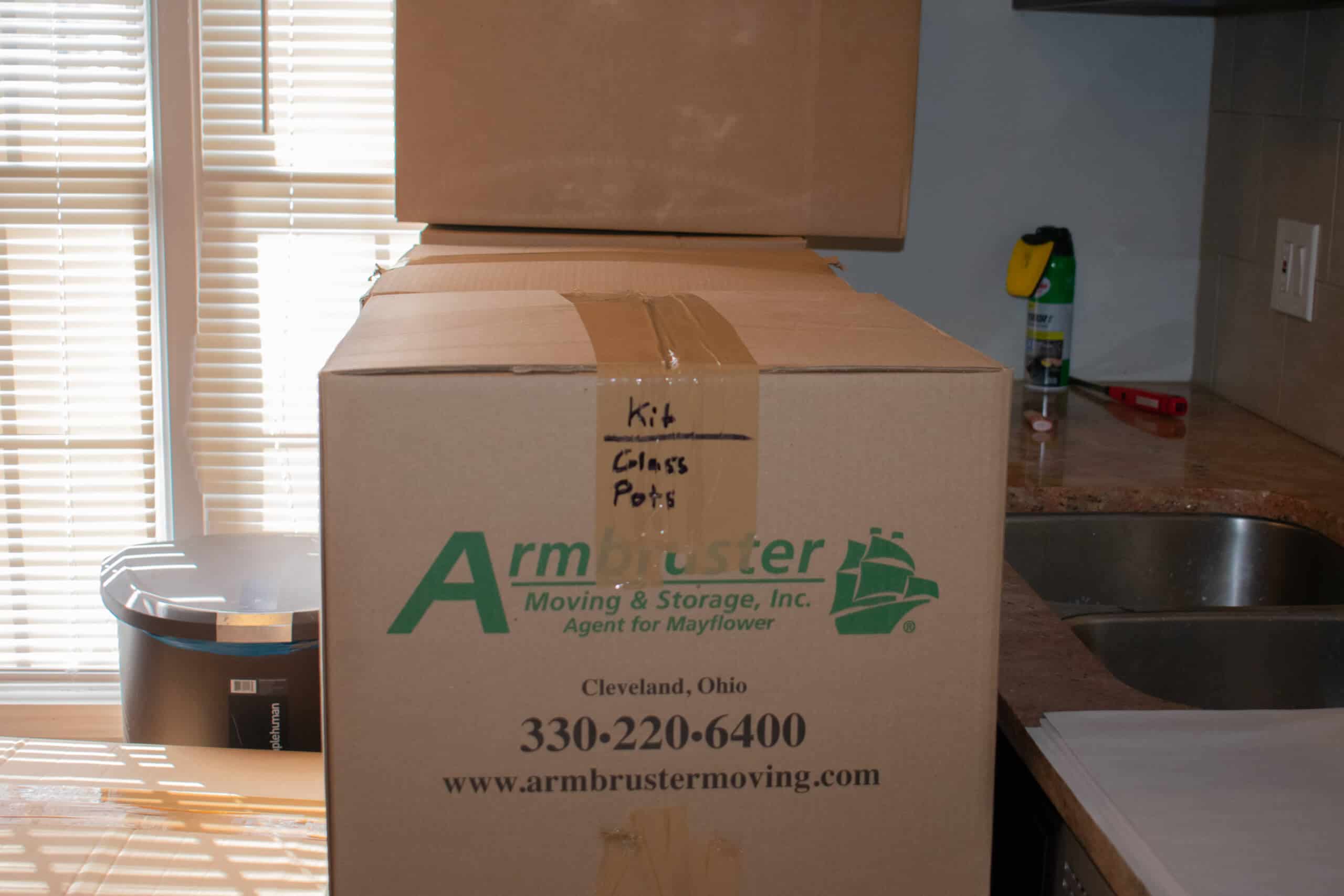
Label each box clearly with its contents and the room it belongs in (e.g., “Living Room – Lamps” or “Kitchen – Plates”).
The more specific you are with your labels, the easier it will be to unpack later. Consider adding labels like “Fragile” for delicate items or “This Side Up” to ensure proper handling.
6. Take Extra Care with Fragile Items
Packing fragile items such as glassware, dishes, mirrors, and electronics requires extra attention. Wrap each item individually with bubble wrap or packing paper to keep them from breaking.
For added protection, consider using a dish packing kit or packing items in small boxes with plenty of padding.
7. Use Wardrobe Boxes for Clothes
If you’re wondering how to pack clothes for moving, don’t waste time folding everything. Instead, use wardrobe moving boxes that come with a built-in rod for hanging clothes.
This will keep your clothing wrinkle-free and organized, making it easier to unpack once you reach your new home.
8. Store Your Boxes During the Relocation
If your new home isn’t quite ready to move into, or you need a temporary space to store your packed boxes, Armbruster Moving & Storage offers secure storage options.
Our climate-controlled units provide the perfect solution for keeping your belongings safe and organized while you settle into your new space.
Whether you need short-term or long-term storage, we have flexible options to meet your needs during your move.
9. How to Store Moving Boxes
If you’re using a storage solution, it’s important to store your moving boxes properly. Here are a few tips:
- Stack boxes neatly, with heavier boxes on the bottom and lighter boxes on top.
- Avoid overpacking boxes so they’re easier to move and don’t collapse.
- Keep boxes off the floor with pallets or plastic sheeting to avoid exposure to moisture.
Final Thoughts
Packing your belongings properly can make all the difference in ensuring a smooth and successful move.
By following these simple tips for how to pack moving boxes, you’ll reduce the risk of damage, save time, and make the unpacking process easier.
And if you need a safe space to store your boxes during the relocation, our Cleveland moving company is here to help!